Getting ready to sell in Kentfield and not sure where to invest before you list. You want strong offers, a smooth closing, and minimal time on market, without overspending on upgrades that do not pay you back. In this guide, you will learn which updates move buyers in Kentfield, how to prioritize by price band, and how to navigate timelines, permits, and funding. Let’s dive in.
Kentfield is a small, high‑value micro‑market where a handful of sales can swing the averages. Public estimates vary, so treat them as directional and rely on a local MLS snapshot with your agent for precise pricing and timing. That way, your plan fits the comp set buyers will use.
Typical Marin buyers include families and professionals who value outdoor living, privacy, and homes that feel move‑in ready. Local schools, such as those in the Kentfield Elementary School District, are a frequent point of interest for buyers; for current district information, view the district’s site at Kent Middle School. At the higher end, luxury buyers often expect turnkey presentation, quality landscape and amenity packages, and thoughtful tech or sustainability features, trends echoed in the 2025 Luxury Outlook.
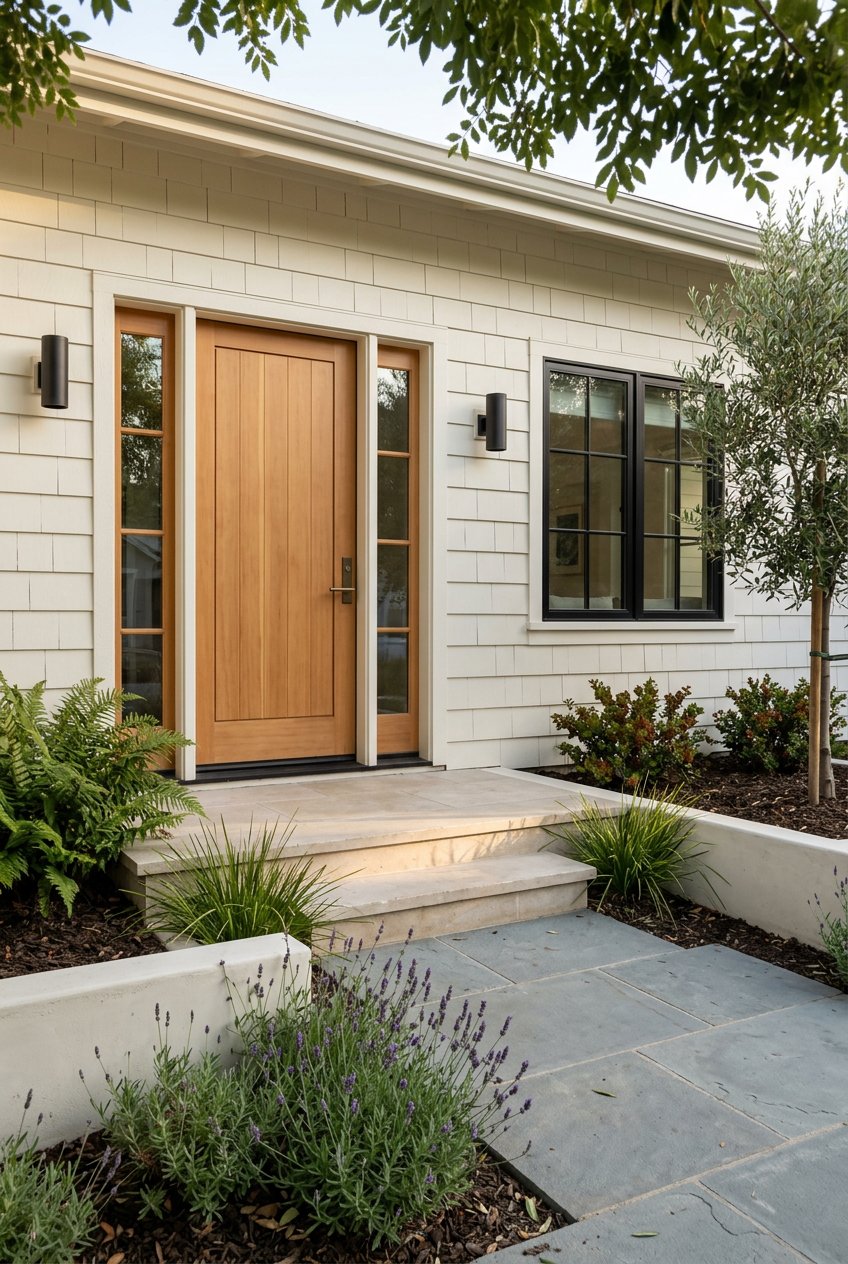
First impressions form in seconds. Exterior projects usually deliver the strongest resale math, with national data showing that entry doors, garage doors, manufactured stone veneer, and targeted siding or paint often return a high share of cost at resale. See the 2025 Cost vs. Value report for the trend. In Kentfield, a clean approach, refreshed front door, powerwashing, and tidy, fire‑wise plantings can lift perceived value fast.
Water‑wise landscaping is a plus in Marin. Before you spend on thirsty turf or irrigation, check Marin Water’s turf‑replacement rebates and WaterSmart resources. The Cash for Grass program can reduce your net cost for converting to drought‑tolerant, low‑maintenance plantings.
Staging and presentation can shorten market time and nudge offers higher. In the National Association of REALTORS 2025 staging study, 29 percent of agents saw a 1 to 10 percent lift in the dollar value of offers, and many reported reduced days on market. Focus first on the living room, kitchen, and primary bedroom. Neutral paint, updated lighting and hardware, and selective staging create a cohesive, move‑in feel. Review the 2025 NAR staging report for details.
Visible defects and system issues can derail a sale. Roof condition, major plumbing and electrical, drainage, and items that can affect insurance or appraisals matter more than fancy finishes. A seller‑procured pre‑listing inspection lets you repair, disclose, or price around issues before buyers arrive, which can help prevent canceled contracts. Learn more in this NAR coverage of pre‑listing inspections.
You rarely need a full gut to win buyers. In many Bay Area scenarios, minor to midrange kitchen and bath refreshes perform better on resale math than major luxury overhauls, unless a full remodel will move your home into a higher comp band. Think paint or refinish cabinets, updated counters, new fixtures, modern appliances, and quality lighting.
Consider these practical tiers:
For timing expectations, contractor availability and permits often extend schedules. This remodeling guide outlines common timeline drivers and ranges for projects of different sizes, helpful as you plan your calendar (remodel timelines).
Decide whether you are targeting entry or mid to upper price bands. Entry buyers tend to prize clean, neutral finishes and a move‑in feel. Estate buyers expect curated outdoor living, elevated finishes, and turnkey systems. Your agent’s local comps will guide which upgrades align with your band.
Rate ideas by three tests: buyer impact, recoverable value, and execution risk. Exterior projects often top cost‑recovery rankings in the Cost vs. Value report. Weigh that against how long the work takes and whether permits are needed.
Start with safety and systems that could block financing or insurance. Move next to curb appeal and staging, which shape first impressions and can shorten days on market. Then add selective interior refreshes that bring your home in line with neighborhood comps. Get written contractor estimates for any item that could affect appraisal or buyer confidence.
Marin County requires permits for most structural, plumbing, electrical, HVAC, and certain exterior changes. Some smaller projects may qualify for expedited review, but rules vary by scope and site. Confirm requirements with Building and Safety before you begin. You can review the county development code here: Marin County Development Code.
As a rough guide, small cosmetic work and staging can take days to two weeks. Mid‑size projects like flooring, cabinet refinishing, and major landscaping typically run several weeks to two months. Permit‑dependent remodels can take multiple months, and timelines often extend due to permitting and contractor schedules, as noted in industry timeline guidance. Always verify with local contractors.
If cash flow is the barrier to smart prep, Compass Concierge can front the cost of approved pre‑listing improvements, such as cosmetic updates, staging, photography, or vendor‑managed work. The amount advanced is typically repaid when the property closes, the listing is terminated, or per the program agreement, often within a 12‑month term. Explore the program overview here: Compass Concierge.
Concierge can help you do the right work early, then go to market with a stronger presentation. The tradeoff is simple, you repay the advance at closing, which reduces net proceeds. Ask your agent for the written terms, eligible items, local caps for Kentfield listings, and a sample closing statement so you can model whether the expected lift in price or reduced days on market justifies the cost.
Ready to build a Kentfield‑specific plan that maximizes returns and respects your timeline. Reach out to Donna Goldman for a tailored pre‑listing strategy, from curated presentation to Compass Concierge and discreet marketing options.
Compass
490 Magnolia Street Larkspur, CA 94939 891 Beach Street San Francisco, CA 94109