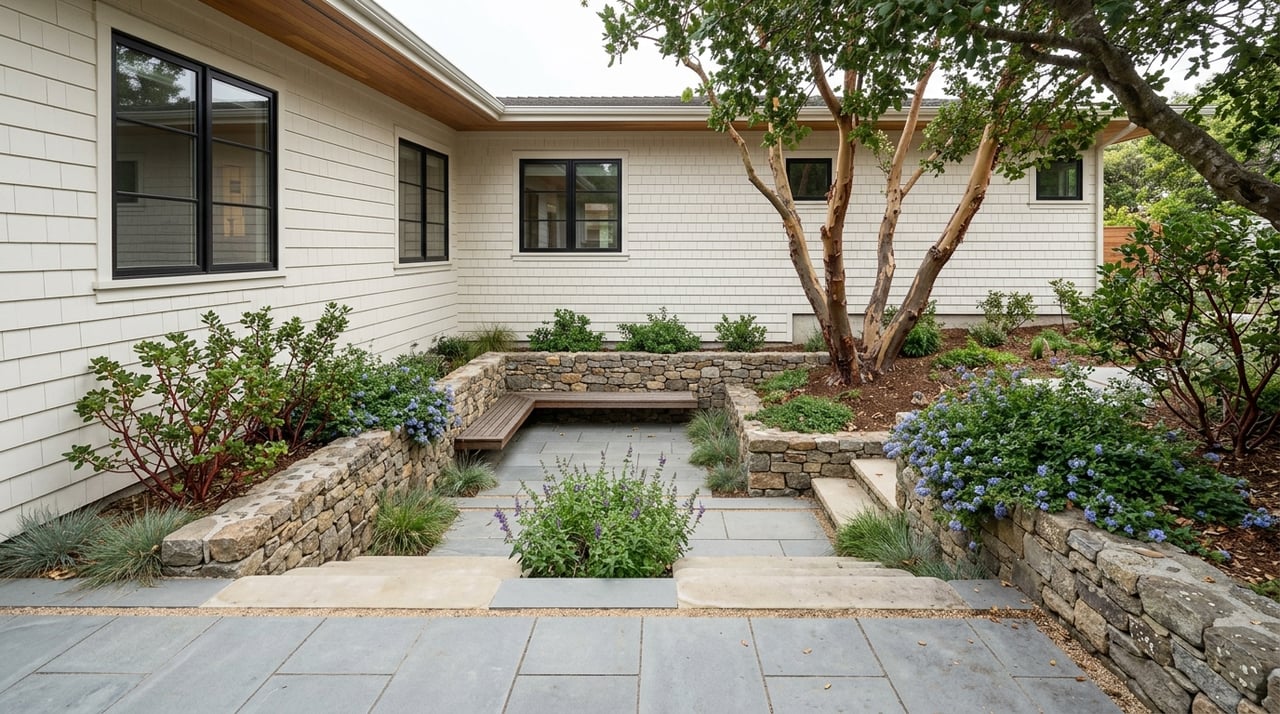
If you want Bay views, easy ferry access, and a small-town waterfront feel, the Tiburon Peninsula stands out for a reason. It offers a lifestyle that can feel both relaxed and connected, whether you are commuting into San Francisco, heading out for a shoreline walk, or meeting friends downtown. If you are weighing a move to Belvedere Tiburon, this guide will help you understand what daily life, housing options, and key tradeoffs really look like. Let’s dive in.
Tiburon is shaped by water, views, and a compact downtown core. The peninsula lifestyle centers on the waterfront, with the ferry landing, Main Street, parks, and civic amenities close together. That layout gives many parts of town a more connected, village-scale feel than you may find in more spread-out communities.
The lifestyle story is not just about scenery. It is also about how you move through your day. On the Tiburon Peninsula, the combination of waterfront access, shared-use trails, and a compact downtown can make daily errands and leisure time feel simpler and more scenic.
For many buyers, the first question is simple: is Tiburon practical for San Francisco trips, or is it mainly a lifestyle destination? The answer is that it can be both, especially if you value ferry access as part of your routine. The Golden Gate Ferry Tiburon Ferry Landing sits at the foot of Tiburon Boulevard in downtown Tiburon, which keeps transit closely tied to the town center.
According to the current Golden Gate Ferry schedule information, Tiburon to San Francisco service is weekday service effective April 13, 2026, with departures varying by time of day, day of week, and season. That means the ferry can be a real commuting tool, but you will want to match your schedule and work pattern to current service times. For some households, that makes Tiburon an ideal hybrid-work location rather than a one-size-fits-all daily commute solution.
Cost matters too if you plan to use the route often. The current fare page lists one-way adult fares at $8.25 with Clipper or a contactless bank card, or $14.00 with a paper ticket. The same source notes nearby paid parking lots and metered street parking, which is useful if you are deciding how car-light your day-to-day life could be.
If you live near downtown or the ferry, everyday life can feel surprisingly convenient. The town describes downtown Tiburon as having a memorable village character, with Main Street, Ark Row, the shoreline, and Tiburon Boulevard each serving a different role in the center of town. In practical terms, that means dining, waterfront strolls, civic spaces, and transit are clustered rather than scattered.
The downtown experience is one of the peninsula’s biggest draws. Golden Gate Ferry’s Tiburon destination page points to Main Street for shopping and dining, while the town’s downtown overview reinforces the area’s compact, walkable structure. If you are hoping for a place where a coffee run, dinner plan, and ferry trip can happen in the same part of town, Tiburon delivers that more naturally than many suburban markets.
Outdoor access is a major part of living here, and it is not limited to dramatic views. The town says Tiburon’s parks span more than 70 acres, including the Old Rail Trail, Blackie’s Pasture, Shoreline Park, McKegney Green, South Knoll Park, and other smaller public spaces. That network supports both quick daily outings and longer waterfront walks.
The Town of Tiburon Parks Division notes that the shoreline system includes Blackie’s Pasture, McKegney Green, South of the Knoll Park, and the Old Rail Trail. The Old Rail Trail is described as a 10-foot paved shared-use trail, while the shoreline path includes a 16-foot shared-use gravel path. For buyers who want active outdoor access close to home, this helps explain why Tiburon appeals to walkers, runners, and cyclists.
One of the most visible open spaces is Shoreline Park, located at the southern tip of the peninsula next to downtown. The town says it offers sweeping views of San Francisco, Angel Island, and the Golden Gate Bridge, and it also serves as a gathering place for community events. That mix of scenery and public access adds to Tiburon’s sense of place.
If you want a trail outing right after stepping off the ferry, that is also part of the appeal. Golden Gate Ferry notes that Old St. Hilary’s Open Space Preserve is about a 15-minute walk from the terminal. Few communities blend transit, downtown amenities, and scenic trail access quite this tightly.
On the Tiburon Peninsula, Angel Island often feels less like a tourist destination and more like part of the local lifestyle. The Angel Island Tiburon Ferry says the trip from downtown Tiburon takes about 15 minutes, making it an easy outing for a half day or full day on the water. That short ride adds a unique recreational option that many Bay Area communities simply do not have.
California State Parks notes that Angel Island State Park is accessible by public ferry or private boat and offers hiking, biking, picnic areas, and seasonal services like a café, bike rental, and tram rides. Seasonal timing matters, though. The same source notes that winter ferry service from Tiburon is weekday charter-only, so it is smart to check schedules before planning your day.
Tiburon’s appeal is not only outdoorsy. Civic amenities are part of the everyday experience too, especially for residents who want a strong sense of local rhythm and convenience. The Belvedere Tiburon Library, a joint powers agency formed by Belvedere and Tiburon, reopened in its expanded form in 2022 and now offers about 19,500 square feet at 1501 Tiburon Boulevard.
The library’s current hours are Monday through Thursday from 9:00 a.m. to 8:00 p.m. and Friday through Sunday from 10:00 a.m. to 5:00 p.m. That may sound like a small detail, but strong civic amenities often shape how livable a town feels week to week. In Tiburon, the library, downtown, shoreline spaces, and ferry terminal all support a lifestyle that feels both service-oriented and easy to navigate.
Tiburon’s housing stock helps explain both its look and its price points. According to the town’s housing element data, the 2020 housing mix was 65.4% single-family detached homes, 9.5% single-family attached homes, 9.4% multifamily homes with 2 to 4 units, 15.4% multifamily homes with 5 or more units, and 0.3% mobile homes. In plain terms, detached homes dominate, but condos and townhomes are still part of the market.
That matters if you are deciding which property type fits your goals. A condo may offer a lower entry point than a detached home, while a townhome can sit somewhere in the middle, often with more space and a more home-like layout. Detached homes typically offer the widest range of lot size, privacy, and view potential, but they also anchor the market’s highest price tiers.
Tiburon is firmly a multimillion-dollar market, and buyers should go in with realistic expectations. Zillow’s Tiburon home value data reports an average home value of $2,931,935 and a median list price of $3,140,167 as of February 28, 2026. The same source also shows 24 homes for sale and an average rent of $5,637 per month.
Different market trackers can show different snapshots by month, so it is best to treat any single figure as directional rather than absolute. Still, the overall message is consistent: Tiburon sits in a high-value segment of the Marin market. Premium-view and waterfront properties can command significantly higher pricing than homes farther inland or with less direct exposure to the bay.
The peninsula’s biggest visual draw also comes with practical considerations. Shoreline access, bay views, and proximity to downtown can be powerful value drivers, but buyers should also understand shoreline exposure. The town’s sea-level rise and shoreline adaptation information notes that some shoreline commercial areas, civic assets, transportation points, and some housing may be vulnerable over time.
That does not make waterfront living a bad decision. It simply means that due diligence matters. If you are considering a home near the shoreline, it is wise to evaluate location-specific exposure, maintenance expectations, and long-term adaptation planning alongside the lifestyle benefits.
Tiburon tends to fit buyers who want a strong connection to the bay, a design-conscious housing market, and a more refined village setting. It can work well if you value ferry access, outdoor time, and a downtown you can actually use. It may also appeal if you want a primary home or second home that feels scenic and connected without giving up access to San Francisco.
For sellers, the lifestyle story matters just as much as square footage. Buyers here are often responding to context: the ferry, the shoreline trail network, the village-scale downtown, and the layered views across the bay. Presenting that story well can make a meaningful difference in how a property is understood and marketed.
If you are thinking about buying or selling on the Tiburon Peninsula, working with a local advisor who understands both the housing stock and the lifestyle nuances can help you make sharper decisions. To talk through neighborhoods, pricing, property positioning, or a discreet plan tailored to your goals, connect with Donna Goldman.
Compass
490 Magnolia Street Larkspur, CA 94939 891 Beach Street San Francisco, CA 94109