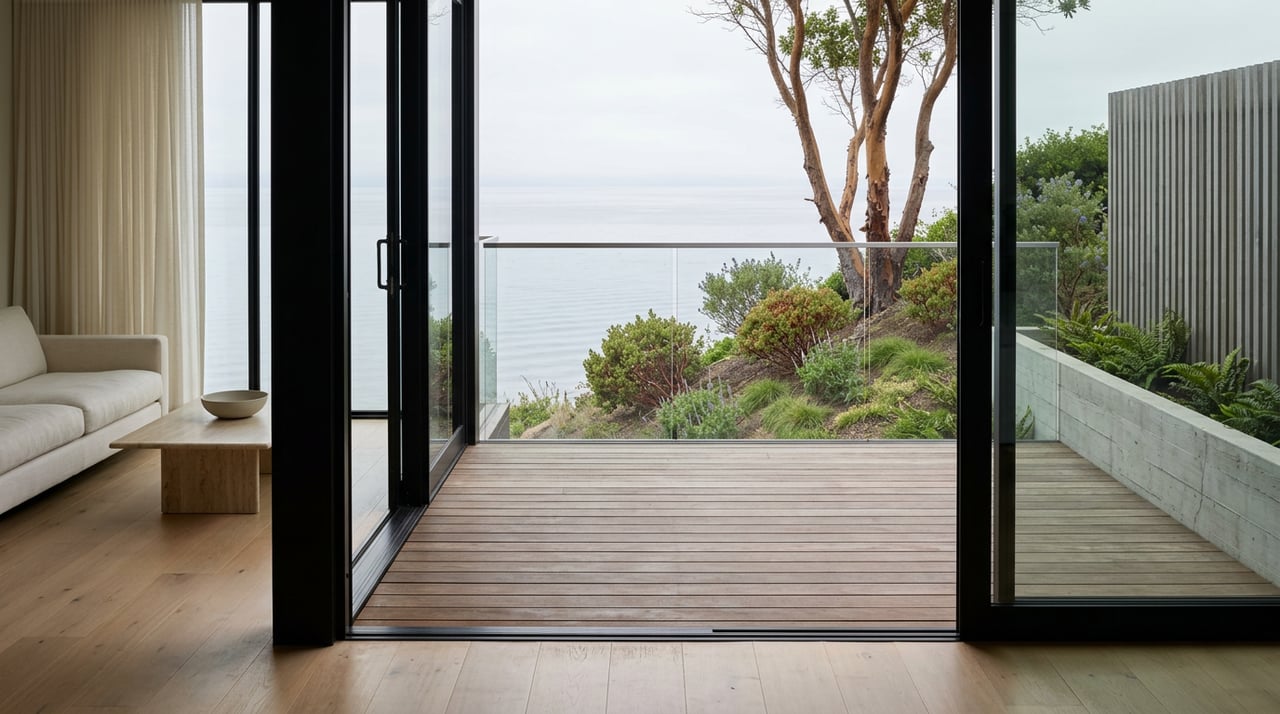
Coffee with the San Francisco skyline in view sounds perfect. In Sausalito, that dream can be real, but not all views live the same way day to day. Fog, hillside angles, ferry life, and city rules all shape what you see and how you use your home. In this guide, you’ll learn how to evaluate a Sausalito view, what protects it, what might change it, and where the value really comes from. Let’s dive in.
Sausalito climbs steep hills above Richardson Bay, so the view you get depends on elevation and orientation. Low-lying waterfront spots along Bridgeway and Marinship look across marinas and piers. Mid-hill homes open to Angel Island and the city skyline. Higher ridges often capture the Golden Gate or Mount Tamalpais. City planning materials treat these view types differently when discussing public and private view corridors, which signals how carefully views factor into local decisions. You can explore that context on the city’s page for Objective Design and Development Standards.
Sausalito often runs sunnier and warmer than many San Francisco neighborhoods, yet the marine layer can still roll in and obscure skyline or bridge views. This tends to show up in spring and early summer mornings, with breaks as the day warms. Expect real day-to-day variability in view clarity. To get a feel for local weather rhythms, check this practical overview of Sausalito microclimates and fog.
Listing photos often show the best moment. The lived experience is about morning sun, afternoon wind, and evening fog. Plan at least two showings at different times of day. If possible, stop by on a foggy morning and a clear late afternoon to understand how the view shifts.
Downtown Sausalito has direct ferry service to San Francisco, which can be a lifestyle win if you work or play in the city. The ferry landing’s location and schedule shape routines for many residents. Learn more about route history and operators on the Golden Gate Ferry overview.
Those big views often come with steep streets, narrow lanes, and long stair runs. Test your access at night and on weekends, and consider how guests or service providers will reach the home. If the driveway is steep, confirm maneuvering and parking are comfortable for your vehicles.
Research on water and skyline views shows a wide range of price impacts. Studies point to modest single-digit to low-teens premiums for partial or narrow views, and larger premiums for wide, unobstructed panoramas, especially near the shoreline. A conservative working range for many markets is roughly 5 to 25 percent, but the key driver is permanence. In other words, how likely is your view to remain open over time. For methodology and context, review this summary of hedonic analysis on the value of views.
Ask for daytime and evening photos from multiple rooms, plus a 360 video that pans across the main viewing areas and terrace. Look for neighbor rooflines and undeveloped lots that could change the sightline later.
Sausalito is developing measurable view-protection rules within its Objective Design and Development Standards. A city beta tool, ViewSync, lets planners and applicants test how a proposed project affects established view corridors. While ODDS primarily applies to certain multiunit projects, it matters if you care about what a neighbor might build. You can review the program page and the ViewSync instructions to understand how view impact is evaluated.
You cannot assume you can trim or remove trees to expand a view. Sausalito runs a formal Trees & Views program that requires permits for protected tree removals or alterations and often needs an arborist report. Ask for the property’s recent permit history and any tree-related complaints before you write an offer. Get familiar with the city’s Trees & Views guidelines.
For low-lying waterfront properties, long-term shoreline planning matters. Sausalito is actively preparing for sea level rise, and some waterfront streets and infrastructure already see king-tide flooding and storm surge impacts. If your view depends on nearby piers, seawalls, or docks, you will want to understand maintenance, permits, and adaptation plans. Start with the city’s Sea Level Rise resources and map scenarios when you evaluate a shoreline address.
The legal environment for floating homes and anchor-outs in Richardson Bay has shifted due to multi-agency efforts to protect eelgrass and habitat. Recent actions led to the removal of the last long-term anchor-out floating home and ongoing enforcement. If you are evaluating marina-adjacent properties, verify marina rules, berth type, and any pending regional actions. Read current coverage of the transition in KQED’s reporting and the RBRA’s agency information. Also note that live-aboard permissions are commonly limited in Bay Area marinas, often around a practical cap such as 10 percent of berths, and permits may not transfer automatically.
Higher, more exposed lots usually earn the widest, most durable views. They can also get more wind, offer less privacy from below, and demand more from daily access. Lower terraces near the water can provide warmer, cozier outdoor spaces, but may face seasonal crowding, marina noise, or nuisance flooding during king tides. Weigh how and when you plan to use decks and patios, then match the microclimate to your lifestyle.
Before touring
During listing review
Key questions to ask
Inspections to commission
Flood and shoreline review
Safety and egress
Insurance and finance
All three communities offer dramatic Bay views, but the lived experience differs.
For quick context on market positioning, snapshots from January 2026 show higher medians in Tiburon and Belvedere compared to Sausalito. Redfin’s city pages at that time reflected approximately $4.35M for Tiburon, $3.7M for Belvedere, and $1.33M for Sausalito. Always recheck current data before you compare homes, since medians change month to month.
When you are ready to move, you want a partner who knows every hillside bend, microclimate pocket, and city process. If you would like a quiet, strategic search with curated previews and strong due diligence, connect with Donna Goldman. We will help you see the whole picture, not just the photo.
Compass
490 Magnolia Street Larkspur, CA 94939 891 Beach Street San Francisco, CA 94109